


Trevick’s Story
As told by his Mom, Lexi
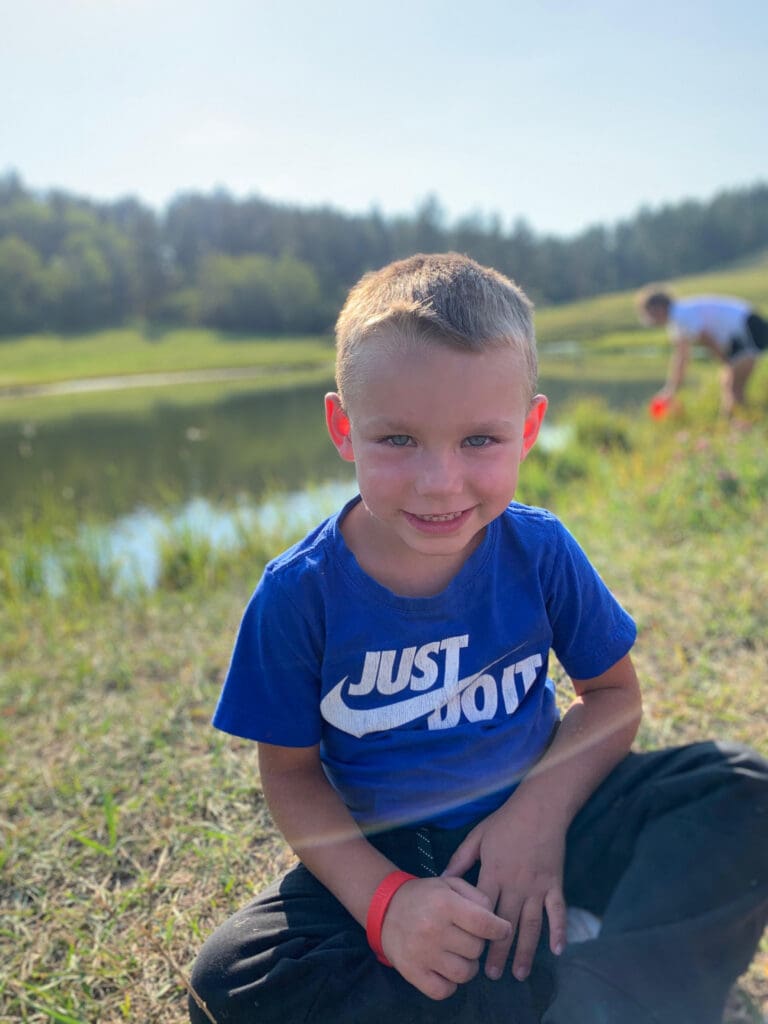
A year ago this November, our lives were turned completely upside down. There was no warning. No preparation. No understanding of what our “normal” would look like — and if we’re being honest, we’re still learning what that even means…normal?
It started as a simple fever over Halloween weekend. A fever that came and went. A few days after Halloween, Trevick just seemed slightly off. A little more defiant. Not eating much. More distracted than usual. Nothing that would have sent us running to the hospital. It felt like a lingering cold, pretty A-typical for a kiddo. A busy week catching up with him, just not quite himself. Within days, our previously healthy four-year-old son, Trevick, was critically ill.
November 4th, I walked into his room, he was restless. His legs wiggled. His body shifted like he couldn’t get comfortable. Moving in a way that felt off but not alarming — until it was. I picked him up and in my arms, he began having a tonic-clonic seizure. Everything changed in one breath. Protect his airway. Keep him safe. That was all I knew. I remember thinking, Just keep him breathing. Just keep him breathing until help gets here. We called 911.
Not to mention, in the middle of it all, we were still getting our other three kids ready for school.
Backpacks. Shoes. Breakfast.
I don’t know how that happened or how it unfolded.
I don’t remember the steps between the seizure on the floor and the front door opening. I just remember red and blue lights glaring through our living room windows. They stood there watching.
“Mom, the ambulance lights are so cool.”
That’s what they saw.
Lights.
Not a seizure.
Not Trevick being carried out to the ambulance.
Not the urgency in every adult voice.
Children see light where we see fear.
And for that, I am forever grateful.
In a small town, people show up. And they did. Within minutes, our good friend, my husbands assistant basketball coach– a volunteer ambulance driver — was at our door with another EMT. Trevick was turning blue. The EMT quickly said he needs to get into the ambulance, can Dillon carry him? Dillon did, and that image will stick with me forever. Oxygen. Focused hands. Calm urgency. Watching someone work over your child like that imprints on your soul. Trying to help any way I could.
38 miles has never felt longer. Every mile stretched thin with fear.
Within hours, our world narrowed to hospital rooms, monitors, alarms, and fear we didn’t yet have words for. We left our four other children at home, not knowing when we would return. Trevick was intubated and unresponsive. The beeping of machines replaced the normal sounds of our home.
The first days felt like a puzzle with no pieces. Endless blood work. EEGs. Sedatives. Paralytics. Seizure medication after seizure medication. No clear answers.
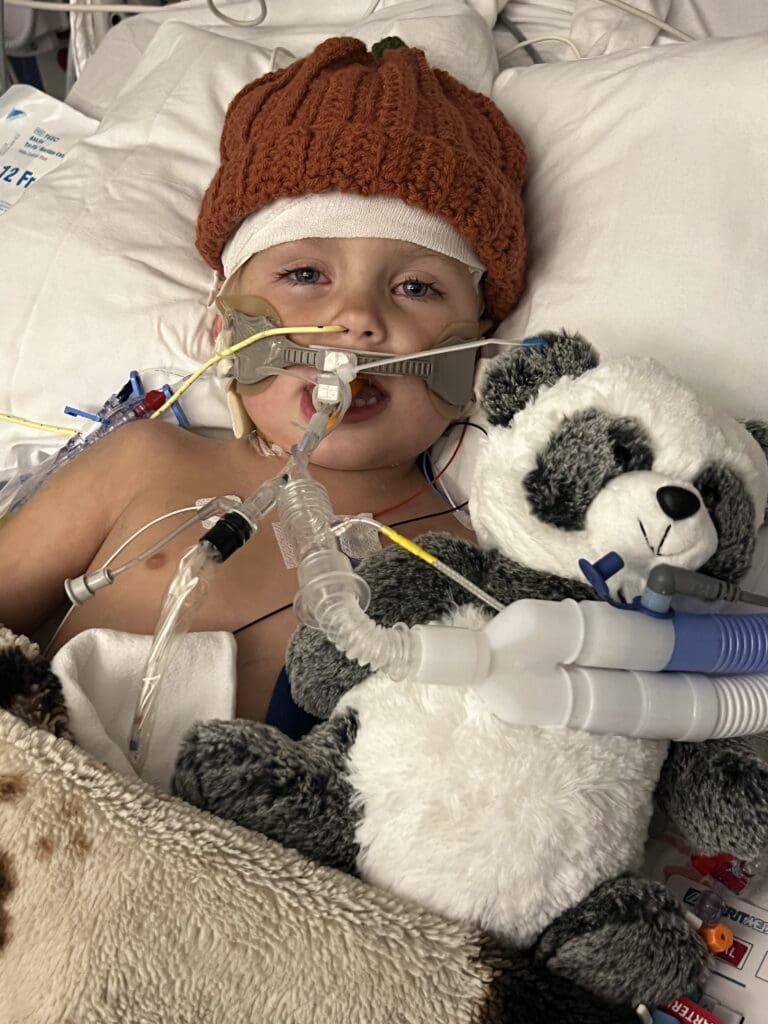
Eventually, Trevick was diagnosed with FIRES — Febrile Infection-Related Epilepsy Syndrome — a rare and devastating neurological condition with no known cause and no clear cure. FIRES presents as prolonged, refractory status epilepticus — seizures that continue despite multiple medications, the seizures just keep coming, back to back. It is aggressive. It is unpredictable. And there is no uniform treatment plan. Every case looks different and that is so hard to understand!
FIRES is a very rare condition and affects approximately 1 in a million children.
• Approximately 1 in 10 children died from complications.
• Nearly all survivors developed chronic epilepsy requiring lifelong management.
• Developmental outcomes varied widely — about one-third had normal or borderline cognition, one-third mild to moderate delays, and one-third severe impairment.
Cognitive outcomes appear linked to the length of medically induced coma and younger age at onset — statistics no parent is prepared to hear while standing beside their child’s hospital bed.
https://www.epilepsy.com/what-is-epilepsy/syndromes/febrile-infection-related-epilepsy-syndrome#What-is-the-expected-outcome?
Trevick’s seizures escalated rapidly and became life-threatening. He spent nearly two months in the PICU, much of that time in a medically induced coma while doctors fought relentless seizure activity. He endured medication trials, ketogenic diet therapy, paralytics, several intubations and extubations, and constant neurological monitoring. After stabilization, he spent two additional months in inpatient rehab.
There were conversations no parent should ever have to sit through. Prognoses filled with uncertainty. Waiting days for test results that felt like years. The helplessness of watching your child’s brain fight a battle you cannot see or control.
What carried me were three other FIRES moms who stepped into my life at exactly the right time. They told me what to ask if it had not been addressed yet–they helped me understand that mama bear needs to ADVOCATE, advocate and never stop. They shared what PICU life really feels like. They gave me something I desperately needed — hope. Their children are doing exceptionally well, and their lived experience grounded me when I felt like I was drowning. I still talk to them often. This community — though no one would ever choose it — saves lives in ways medicine cannot measure. I am grateful to be apart of the FIRES community and on the other side of the coin, I wish it was a community no one had to be apart of!
When Trevick finally entered rehabilitation, we began to understand what FIRES had taken. He was working to pick up his childhood, everything he once knew. He had to relearn how to walk, talk, eat, and engage with the world. Recognition, memory, language, sensory processing — nothing could be assumed. At five years old, he functions closer to a three-year-old, but he is here, he is healing, he is defeating the odds!
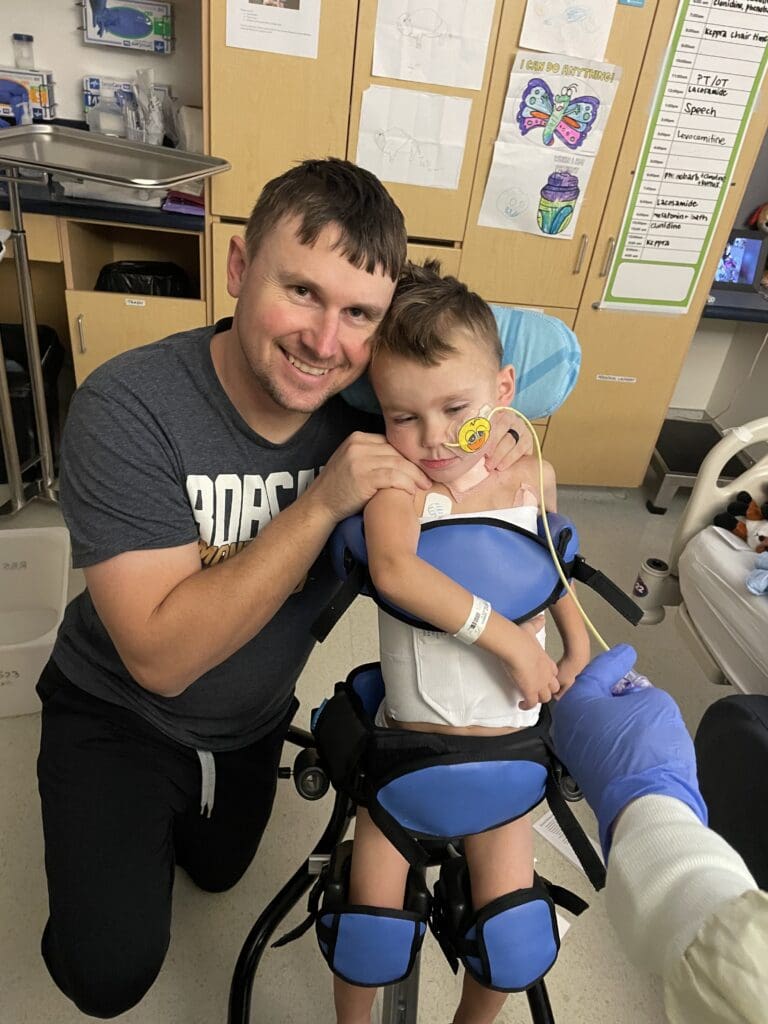
When we brought him home, he was taking over ten medications — seven of them seizure medications — and still experiencing breakthrough seizures. Multi-focal epilepsy is now what his diagnosis is classified as, since FIRES is only an acute phase. His healing requires constant medical management and occupational, physical, speech, and cognitive therapy; he has also started cranial sacral therapy, which is so relaxing and intriguing to watch.
The emotional weight — watching your child rebuild himself piece by piece — has been heavy, very heavy.
And yet, Trevick continues to amaze us.
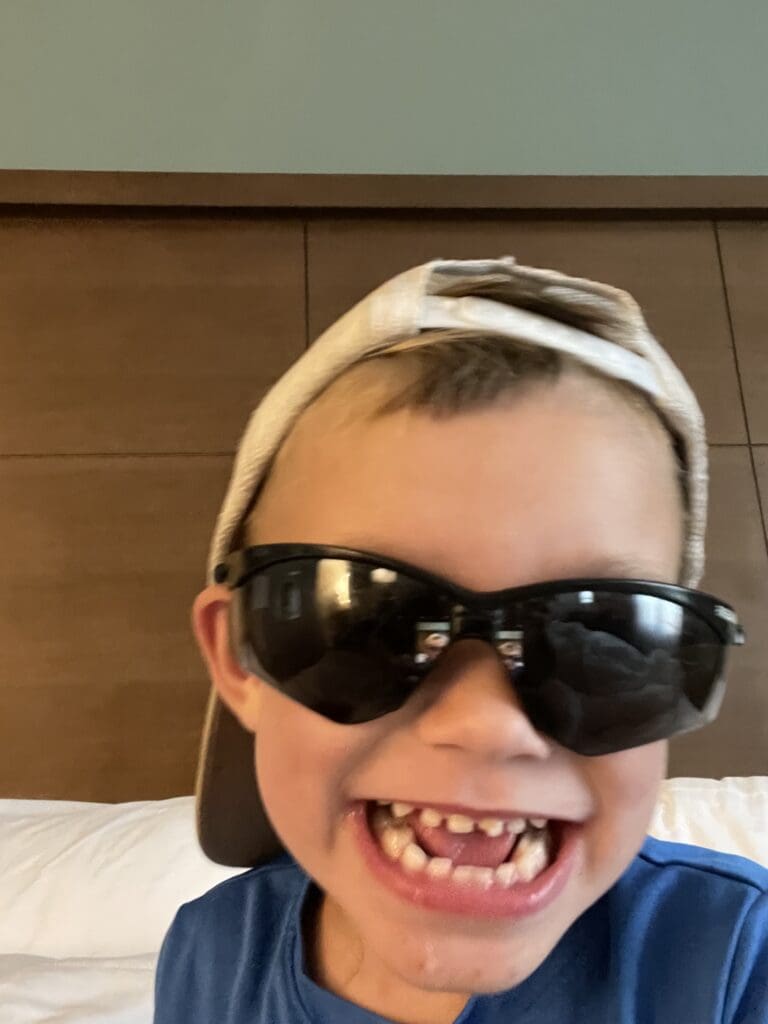
He is strong. He is stubborn. He is happy. He is healing on his own timeline. He is here — and that alone is a miracle.
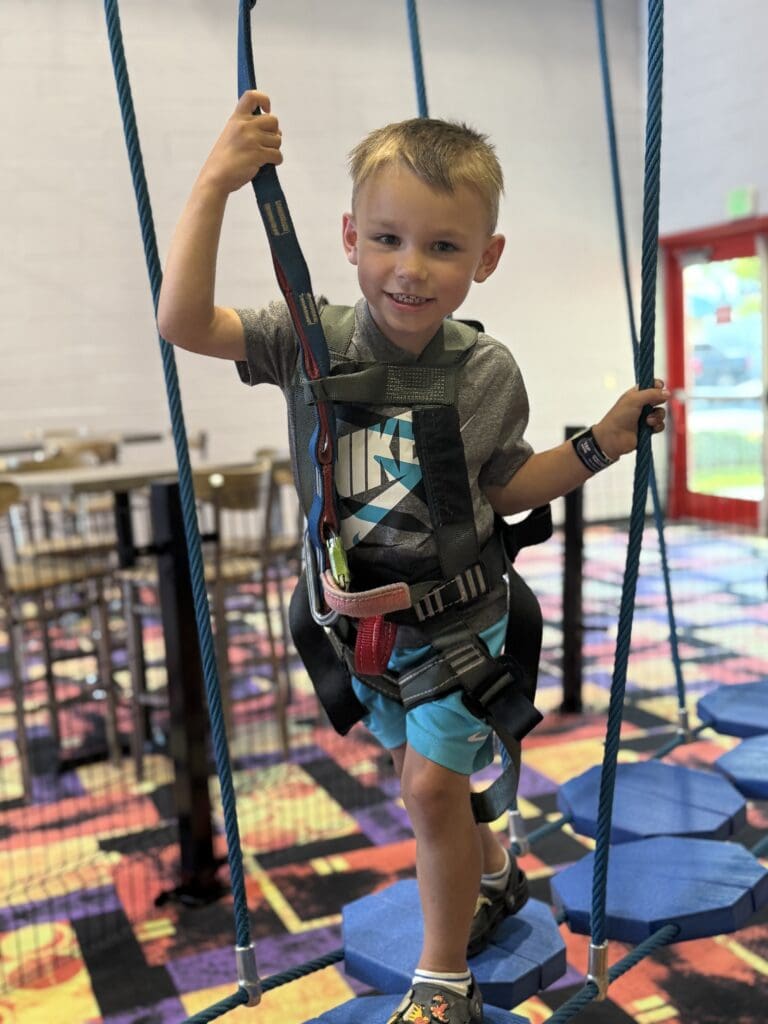
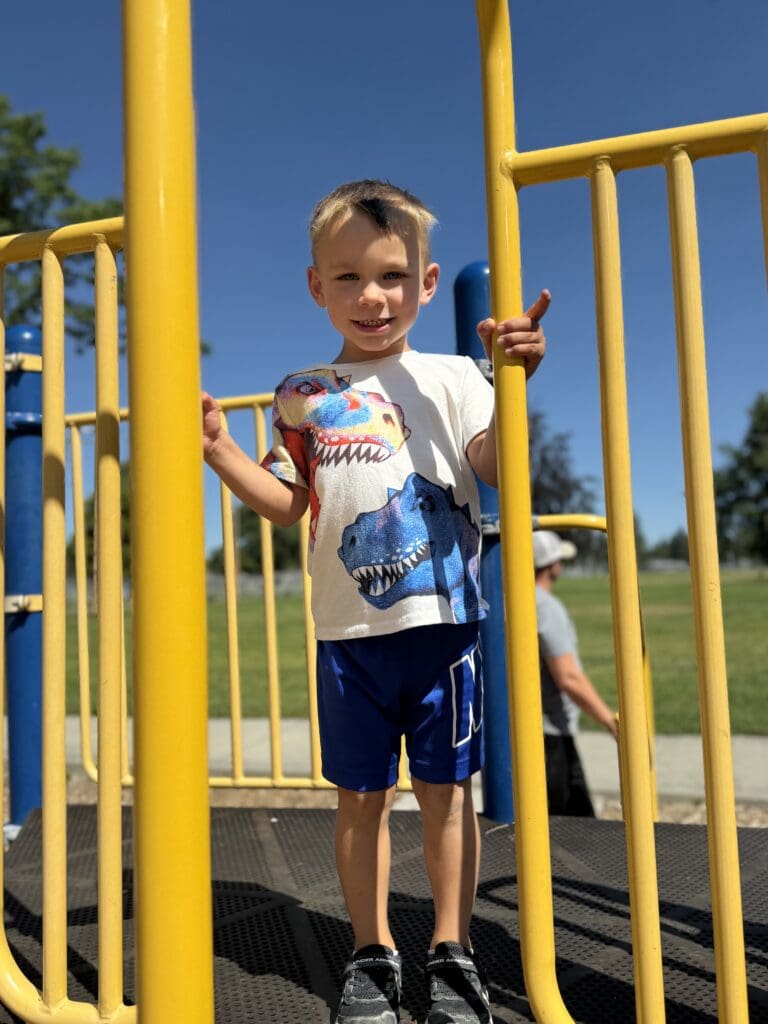
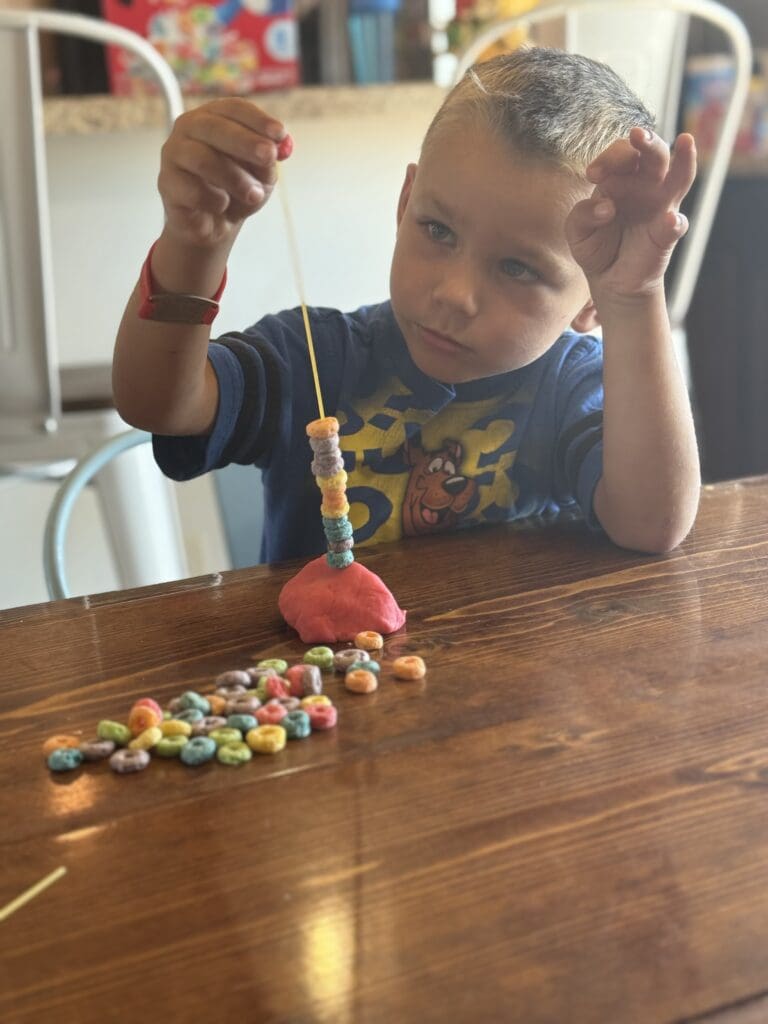
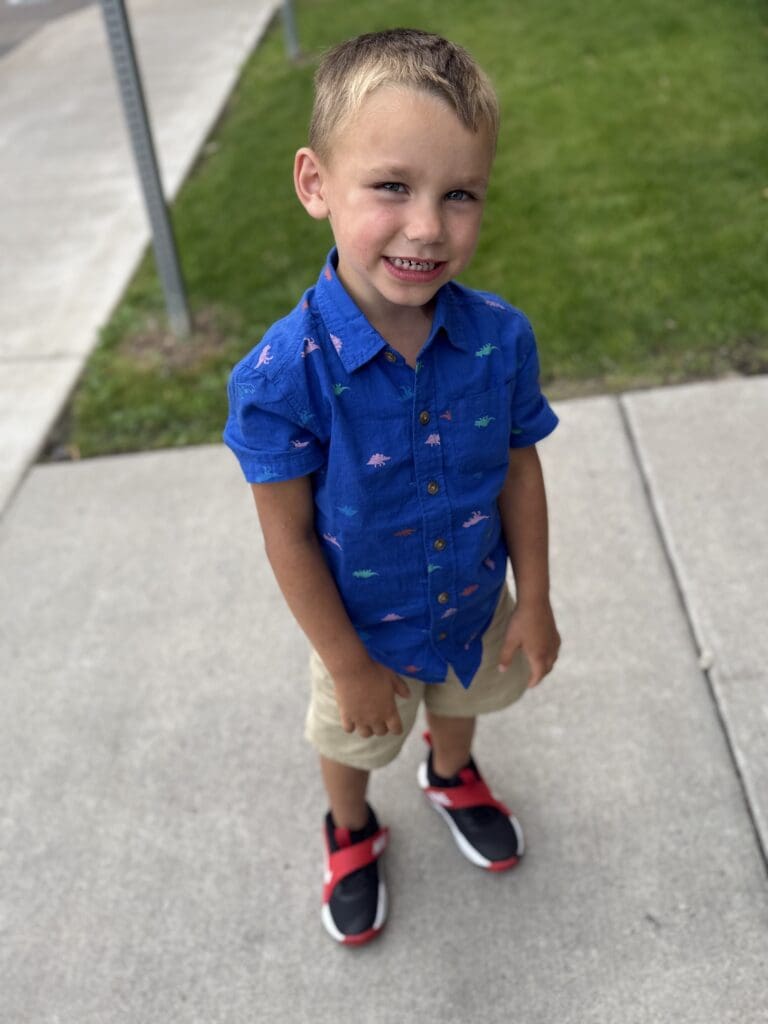
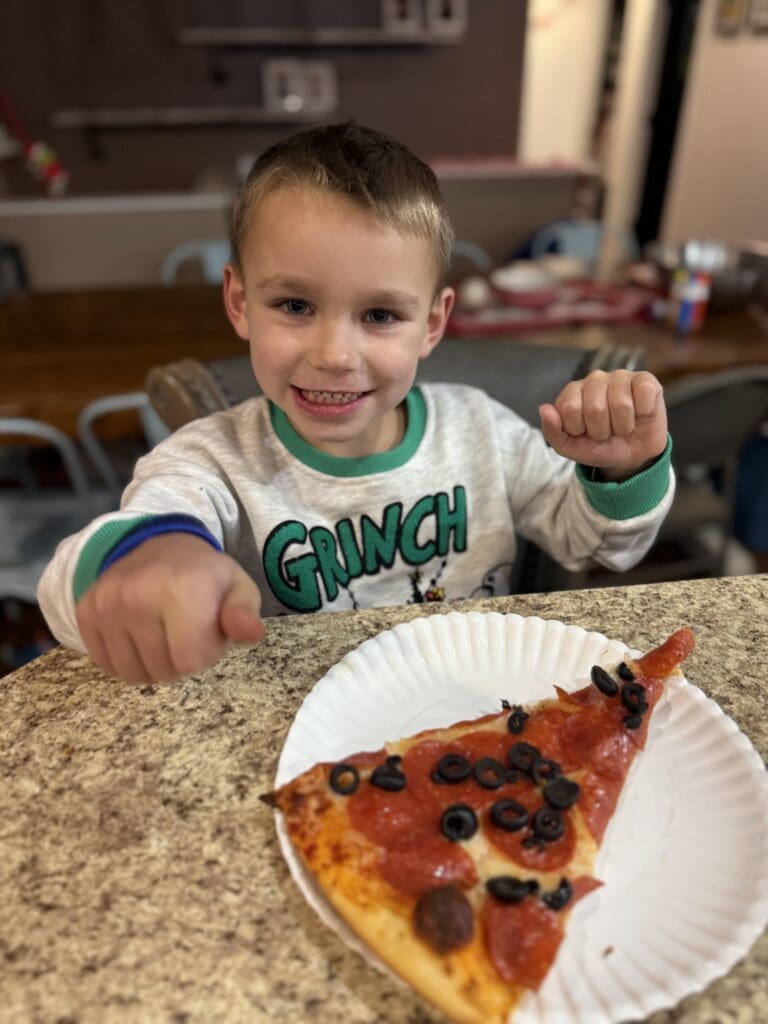
He is growing up in the middle of a busy Montana farm and ranch family. He feeds cows with his dad. He rides bikes. He jumps on the trampoline. He plays in the snow. He eats Reece’s peanut butter cups. Drinks orange pop. Enjoys playing with his siblings. Loves his animals and CHIPS…that boy loves his chips. Our home is loud, messy, and beautifully chaotic. That chaos is sacred now.
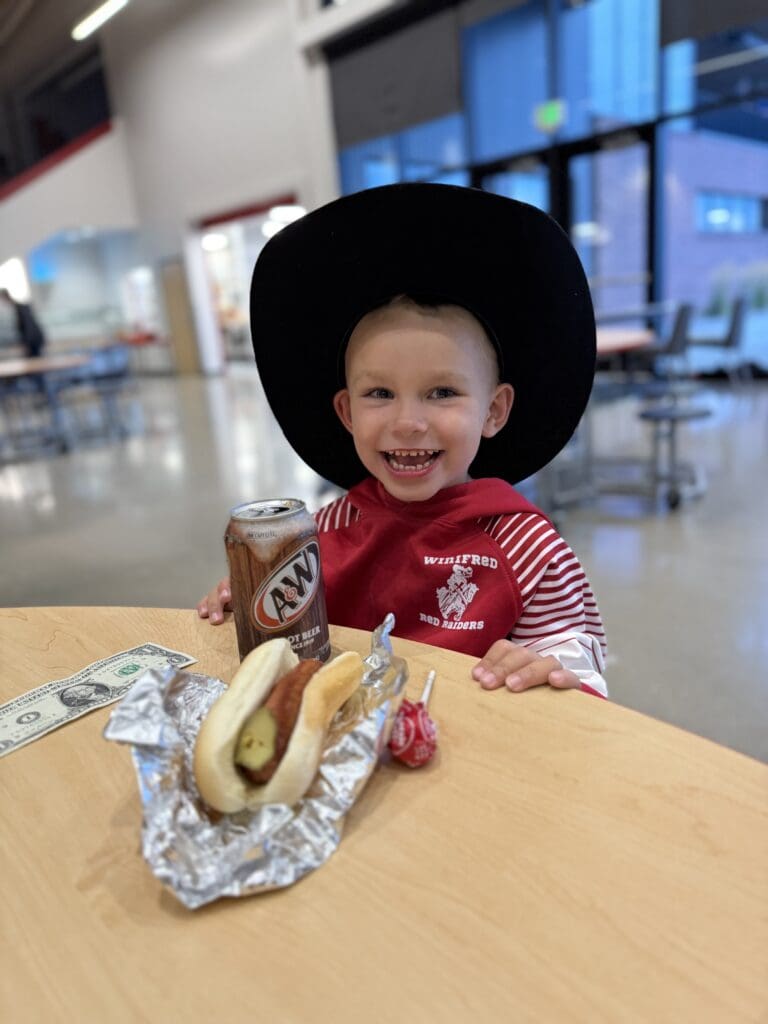
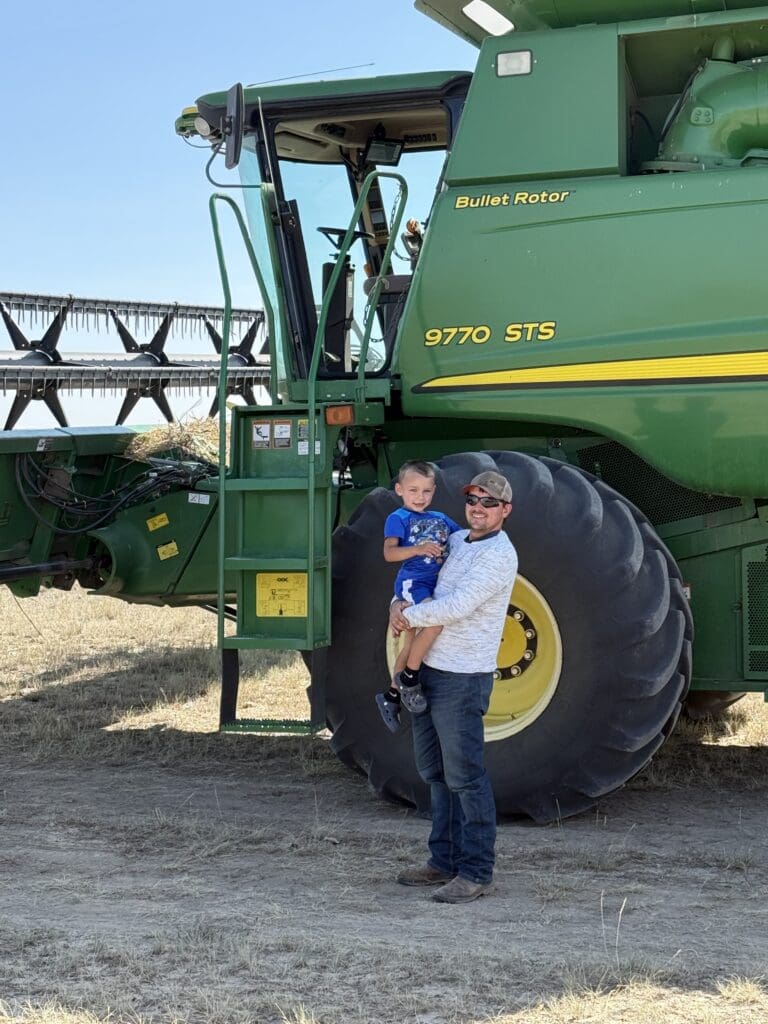

FIRES is unpredictable. Recovery is not linear. Breakthrough seizures still happen. Hard days still come. But so do VICTORIES, a word remembered, a task mastered, a spark of recognition. Those moments feel like mountains moved and we are just so proud of him.
I mean really?
For me, it takes me to knowing how to ride a bike. I haven’t been on a bike in some time, but if I were to get back on, I know how to ride, our brain just remembers.
Trevick, he is relearning anything he once knew, starting over, picking up the pieces. The resilience, the strength, it is incredible. For families walking through epilepsy and FIRES, we see you. The fear. The exhaustion. The constant anxiety about any sickness or new situation. The grief and gratitude existing at the same time.
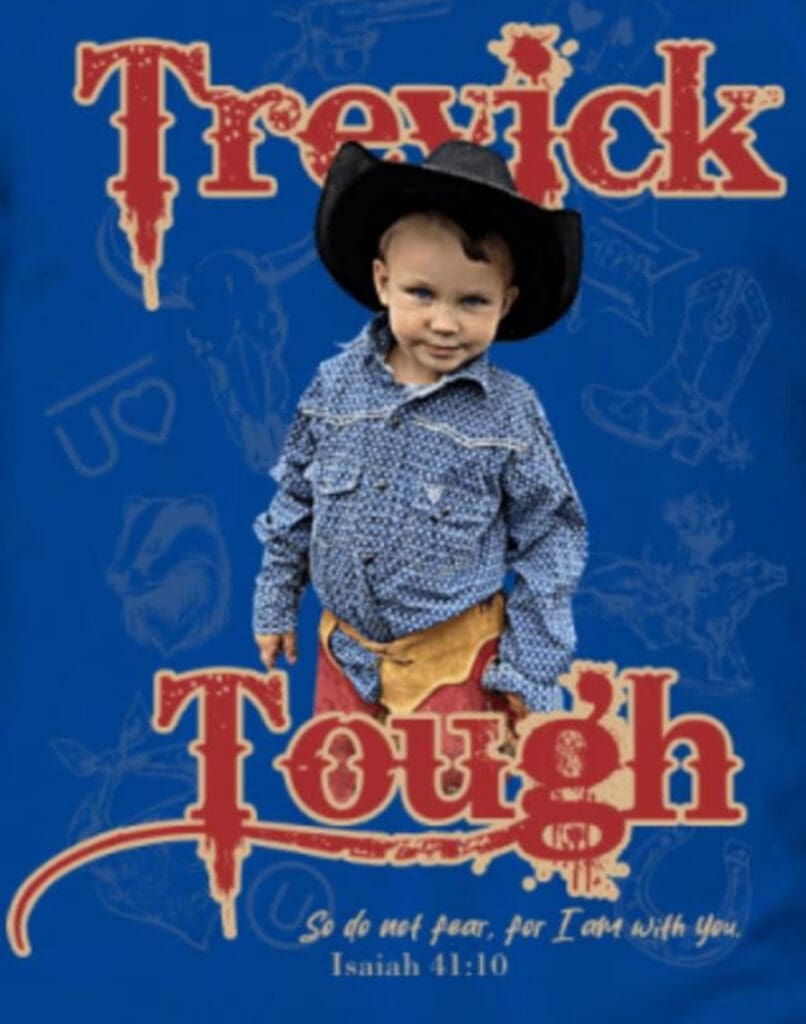
God is good — even in the fire. Trevick’s story is still unfolding– and he is writing it in his own way, not the typical way “FIRES” prognosis is described!
To the parent who just heard the word FIRES,
I am so sorry you are here. This is a “club” I wish no parent had to be a part of.
Right now, you are in a PICU room that feels nothing like the world you knew a few days ago. Your child is having seizures. Back-to-back. Relentless. They may be intubated. Sedated. Surrounded by machines and people and alarms. And you…you are probably asking why…you are also trying to understand something so complex and have never even heard of before.
It is heavy. It is terrifying. And the unknown is the hardest part.
Test results take time. CT scans take time. MRI’s take time. Bloodwork takes time. Lumbar Punctures take time. Genetic panels take time. Answers take time. And in the waiting, your mind will race in a hundred different directions. There will be doctors who are hopeful. Doctors who will state the statistics. You may hear worst-case scenarios. Doctors who are optimistic. FIRES has so many unknowns and so little research compared to other diagnoses that no one can give you a clear roadmap.
Please hold onto that.
No one can fully tell you what your child’s brain will do or how it will heal.
One of the most important things I learned is this: find your people. And let them find you.
Let the people who understand this world step into your life. The ones who have sat in the PICU. The ones who have heard the same words. The ones who have watched seizures and lived in the space between alarms, continuous EEG’s, MRI’s, intubation, sedatives; they will keep you above water when you feel like you are sinking. Truly.
They will not judge your fear. Your anger. Your tears. Your questions. They will understand them. No question is a dumb question.
Those connections are just as important as your lifelong friends and family. They know this road. Do not try to carry this alone.
Sit next to your baby. Hold their hand. Whisper in their ear. Tell them how much you love them. Tell them they are brave. Tell them they are strong. Tell them you are right there with them. Read to them. Sing to them. Even if they are sedated. Even if they cannot respond. They know your voice, they can feel you holding their hand.
Advocate fiercely. Ask every question. There is no such thing as a dumb question in the PICU. If your gut tells you to ask for a second opinion, ask. You are not being difficult. You are being a parent– a job that is hard, but you do it with grace and love.
Take care of you.
Eat. Even when you don’t feel hungry. Drink water. Shower. Step outside for five minutes of air. Sleep when you can. Your mind is already overwhelmed trying to process the word FIRES. If you don’t care for your body, the fog gets thicker. The anxiety gets louder. And it becomes harder to advocate the way your child needs. I know, easier said than done, but you need to be healthy to be present for your baby.
You will discover a strength in yourself that you didn’t know existed.There will be moments when you ask why. Why your child. What did I do wrong? Where is this coming from? Those questions are human. Let yourself feel them — but don’t let them steal your hope…this can lead you into a rabbit hole you don’t want to get into.
FIRES is hard. Epilepsy is hard. This is not — not even a little bit — an easy road to navigate. It’s exhausting. It’s overwhelming. Some days, it just flat-out sucks. As grateful as I am for the FIRES and epilepsy communities that have held us up, I wish no one ever had to belong to them. No one asks to be here. But we are. And because we are, we will keep showing up. We will keep advocating. We will keep loving fiercely. We will keep pushing and asking the hard questions. And we will not stop fighting for our kids; because that’s what parents do.
FIRES is unpredictable. Recovery is not simple or the same as other FIRES patients. Prognoses are based on limited data and very small numbers. There are more unknowns than knowns.
Do not give up hope.
Show up. Love fiercely. Advocate boldly. Let your people surround you. Let them hold you up.
You are not alone, even though it feels like you are.
Your child is stronger than you know.
With love +hope,
A parent who has been there
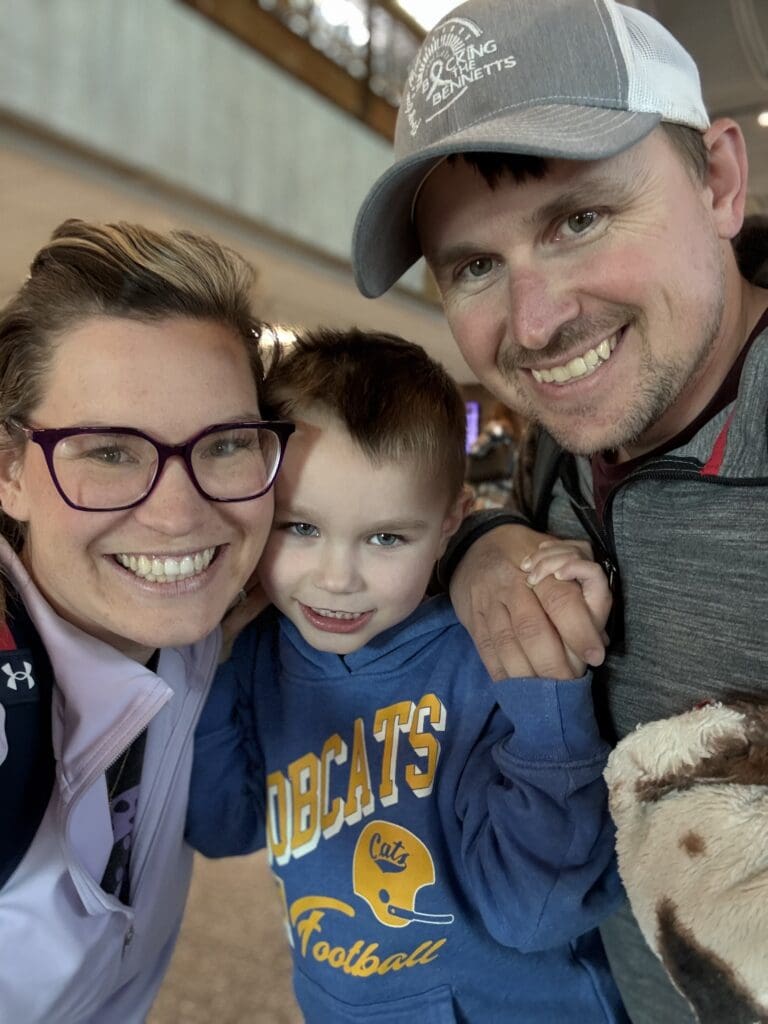
Connect with Trevick’s Mom, Lexi:
Email: lexi.udelhoven3@gmail.com


